
Children Lack Social Skills
Written by Sandie Barrie Blackley, Speech-Language Pathologist
Published on September 20th, 2016
 Nearly four in five senior primary school staff in the U.K. are worried about their young student’s social skills and speech problems, according to a site called "The Key."
That is a lot of students, and it is not much different in the United States. The journal Pediatrics published a study in which they found the percentage of kids with disabilities rose 16% and children with mental, emotional, or behavioral problems increased 64.7%.
Children are having trouble carrying on a conversation with proper social etiquette. No matter how smart a child is, communication is vital to their success as a student and eventually as an adult. There are three aspects of the conversation that this article feels that kids need the most work on.
1. How to read nonverbal cues
Nonverbal behaviors include facial expressions, gestures, intonation, proximity, and body language. They are almost 70% of overall communication comprehension. Children are not grasping this concept like they used to, and the consequences can be detrimental. Teach your children how to interact nonverbally by setting an example for them in your own conversations. Take them with you to social gatherings and include them in adult conversations. Do everything you can to subject them to as many interactions as you can.
2. How to take turns
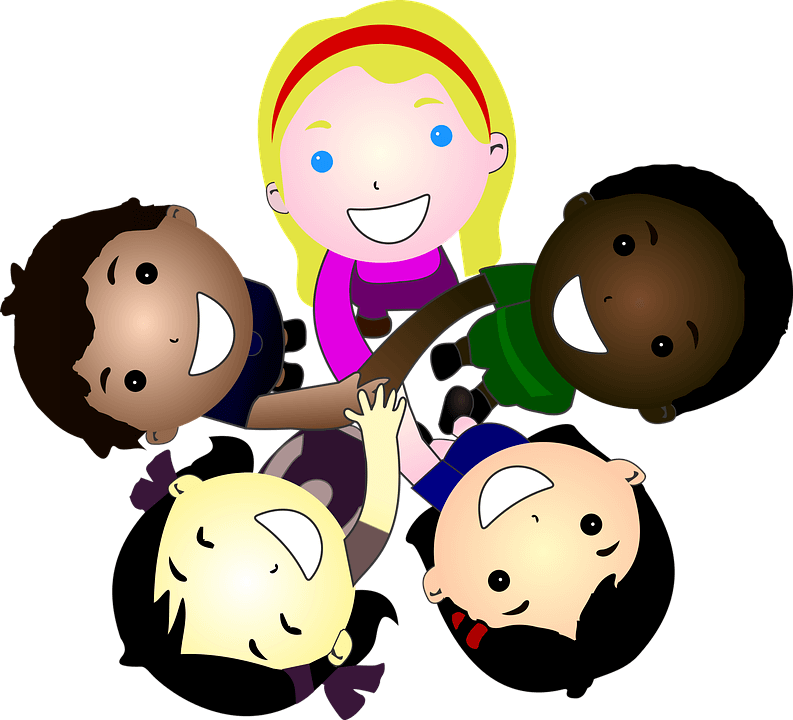 Children are having a harder time being active listeners lately, they may stop talking to allow their conversation partner to speak but they are not listening to them. The groundwork for proper conversation skills is laid when the child is very small. It starts with games like peekaboo and waving goodbye. If your child is past the age of these games, teach them not to interrupt. Start with that and move on to teaching active listener techniques. Tell them a story and ask them to relay it back to you.
3. How to stay on topic
Staying on topic with a conversation will allow them to relate to others. Teach them that it can be fun to learn about others, instead of bringing the conversation back to their interests and opinions. This is a vital skill when making friends for networking purposes in the future. If a person can connect with others, they are more likely to be successful in the future.
A common theme in fixing these problems is limiting technology use. Phones and computers do not teach anything near as important as conversational skills, and those lessons come from you, and the people around them.
For more information about learning disabilities, specifically, dyslexia, visit our website.
Improve Your Child’s Reading
Learn more about Lexercise today.
Schedule a FREE
15-minute consultation