
Neuroplasticity Research on Dyslexia
Written by Sandie Barrie Blackley, Speech-Language Pathologist
Published on January 13th, 2017
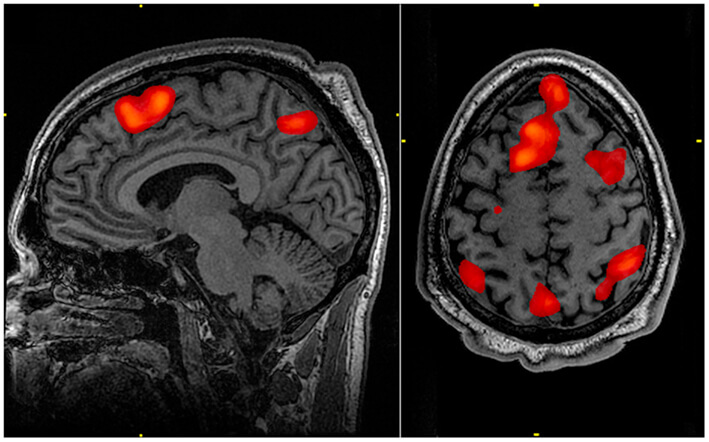
 Recent research conducted by neuroscientists at MIT demonstrated that individuals with dyslexia displayed reduced plasticity in brain activity. As you develop, learn new information and have different experiences, connections in your brain alter and change - this is referred to as brain plasticity. Think of it as a lump of clay - You can mould it, connect it to more clay and ultimately change its structure.
 Neurons are cells in the brain that connect with each other to produce an action - similar to a set of dominos. For example, when you touch a hot object, certain neurons connect, sending a message to your body that the object is too hot and you should drop it!
When comparing scans of the brain between those who do have dyslexia versus those who do not, researchers found that scans of dyslexic brains revealed a decrease in neural adaptation upon repetition. That is, when presented with information that was shown in a previous trial, individuals viewed and processed the information as if it was completely new.
 So, what does this mean? How does it affect your child’s behavior and learning capacity? Translated into actions, a symptom of reduced plasticity could mean a decrease in ability to adapt to repetition - both socially (as in face recognition) and academically (as in word repetition and retention). This research may provide an insight into reading difficulties in individuals with dyslexia. Reading involves elements of plasticity, where letters need to be converted into sounds and then blended into words. This can assist with explaining why static learning strategies such as memorization and rote learning may not be as effective for children with dyslexia.
The information provides an explanation as to the importance of flexible connections, however future research will go further to provide solutions for the issue. Lexercise assists with the development of brain plasticity using the researched backed Structured Literacy (Orton-Gillingham) method to improve your child’s literacy skills. Learn more about our live, one-on-one Structured Literacy therapy today.
References:
Trafton, A. (2016, August 8). Study finds brain connections key to reading. Retrieved from http://news.mit.edu/2016/brain-connections-key-reading-0808
Images:
By John Graner, Neuroimaging Department, National Intrepid Center of Excellence, Walter Reed National Military Medical Center, 8901 Wisconsin Avenue, Bethesda, MD 20889, USA [Public domain], via Wikimedia Commons Image link
Brian Turner Image link
Improve Your Child’s Reading
Learn more about Lexercise today.
Schedule a FREE
15-minute consultation