

What is Orton-Gillingham?
Orton-Gillingham (O-G), more recently called structured literacy, is a powerful approach for teaching the foundations of literacy. If your child struggles with dyslexia or other reading, spelling, and/or writing difficulties, using this method could be a game-changer.
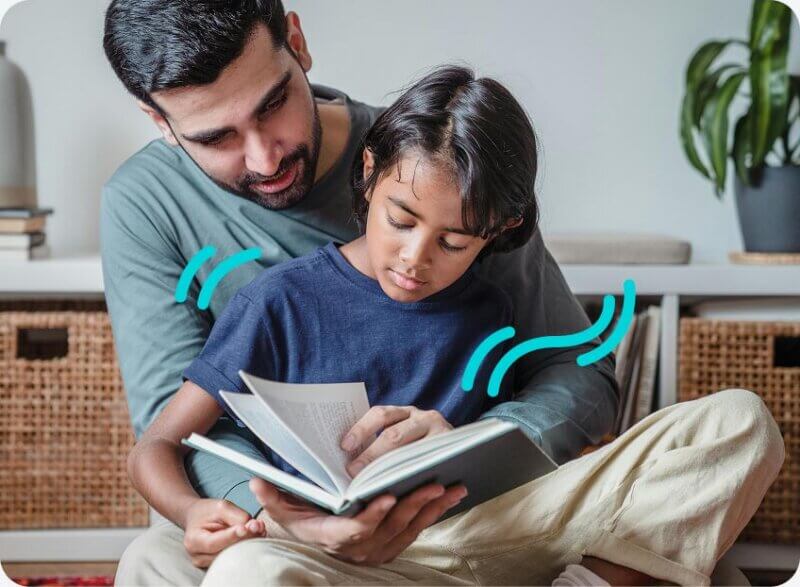
The Orton-Gillingham Structured Literacy Approach
Orton-Gillingham structured literacy methods are focused on teaching the structure of written language clearly, logically, and systematically, taking the guesswork out of reading, spelling, and writing. It is especially helpful for struggling readers, particularly those with dyslexia.
The 4 Key Elements of Orton-Gillingham:
-
Multisensory Techniques
Orton-Gillingham structured literacy methods engage multiple senses—sight, sound, touch—supporting critical foundations for learning, including attention and self-regulation.
-
Structured and Sequential Instruction
Lessons are carefully organized, progressing from basic to complex concepts. This sequential structure aids in building a solid foundation for reading and spelling skills.
-
Individualized, Data-Based Instruction
Recognizing that every child benefits from learning at their own pace, Orton-Gillingham structured literacy methods use the child’s practice data to personalize and pace instruction.
-
Phonics Emphasis
Central to Orton-Gillingham structured literacy is a modernized, research-backed emphasis on teaching phonics—the relationship between sounds and letters–in a way that makes sense and is useful for both reading and spelling. This is crucial for dyslexic learners who struggle with reading words and spelling them.
How Orton-Gillingham Methods Are Used Today in Different Reading Programs
The 21st-century science of reading supports the Simple View of Reading, which states that two components are necessary for learning to read: 1) decoding and 2) listening comprehension. The Orton-Gillingham method for teaching reading to struggling readers, first described over 100 years ago, primarily addresses the decoding component. Different foundational reading programs apply Orton-Gillingham methods to different degrees and in different ways. Let's discuss two popular reading programs and explore how they use Orton-Gillingham elements.

Wilson Reading System*
The Wilson Reading System (WRS) is widely used in schools and can take 3 years to complete. Wilson is an Orton-Gillingham-inspired, paper-based curriculum with scripted lessons designed for classroom use. The curriculum focuses on decoding and spelling, explicitly teaching phonics, syllable types, spelling rules, and morphology (prefixes, roots, and suffixes). Using Wilson, the teacher presents the lessons and provides all the opportunities for practice. Progress monitoring assessments must be teacher-administered. The program's fidelity is highly dependent on the teacher's training and ability to use it exactly as designed, and monitoring program fidelity is challenging.
Lindamood-Bell*
Lindamood-Bell programs (such as Visualizing and Verbalizing®, Seeing Stars®, or LiPS®) are often offered at Lindamood-Bell Learning Centers. Lindamood-Bell programs are not Orton-Gillingham-based. Instead, they are more focused on the oral-language foundations necessary for listening and reading comprehension. For example, Lindamood-Bell programs help students use mental imagery to understand and remember what they hear and read. Using Lindmood-Bell, an instructor presents the lessons and provides all the opportunities for practice. Progress monitoring assessments are all instructor-administered and, as with the Wilson Reading System, monitoring program fidelity can be challenging.
For children with dyslexia, O-G methods provide the structured roadmap they need to unlock decoding and spelling, while Lindamood-Bell may serve as a complementary option for students with weak listening comprehension.
How Can Orton-Gillingham Structured Literacy Help Kids with Dyslexia?
Children with dyslexia typically have weak decoding skills and stronger listening comprehension skills. For these students, comprehension-focused methods are often inadequate.
In contrast, students using Lexercise can:

Build Reading Confidence:
Using clear instruction and repeated practice, children gain confidence in reading and spelling.

Enhance Phonemic Awareness:
Developing a strong connection between sounds and letters supports phonemic awareness, a key component of literacy.

Cater to Individual Needs:
Using a data-based approach, Orton-Gillingham structured literacy allows each child to move forward at their own pace.

Improve Spelling Skills:
Understanding why words are spelled as they are helps children remember spelling patterns, and regular practice helps them become proficient spellers and writers.

Build Vocabulary:
Developing an awareness of word parts (prefixes, bases, and suffixes) helps children read, spell, and understand new words.
Orton-Gillingham: Online Programs
& Homeschool Curricula
Understanding what makes Orton-Gillingham structured literacy methods effective can empower you as a parent to make informed decisions about your child's education. Effective O-G methods provide:
-
Age-appropriate engagement and motivation
-
Frequent practice opportunities, with immediate feedback and error correction
-
Ongoing monitoring of accuracy, fluency, and mastery
If you're seeking effective strategies for supporting your child with dyslexia, consider exploring the benefits of the Lexercise Structured Literacy Curriculum™.

Orton-Gillingham Online: O-G Qualified Therapists for Your Child
Lexercise's goal is to help struggling readers and writers by giving them access to quality, evidence-based structured literacy wherever they are across the English-speaking world. Our online platform includes lessons, practice games, review activities, built-in progress monitoring, and much more.
For more information and resources, feel free to explore our website or contact us directly. Together, we can unlock the door to a brighter future for your child.
* Wilson Reading System is a registered trademark of Wilson Language Training Corporation. Visualizing and Verbalizing, Seeing Stars, and LiPS are registered trademarks of Lindamood-Bell Learning Processes. Mind InFormation, Inc. is not affiliated with, sponsored by, or endorsed by Wilson Language Training Corporation or Lindamood-Bell Learning Processes."