
How To Get Information "In" - Elaboration Learning Technique
Written by Sandie Barrie Blackley, Speech-Language Pathologist
Published on February 28th, 2017


In the past two weeks we’ve discussed the benefits of two kinds of practice: spaced-out practice and retrieval practice.
This week we are going to talk about a method called elaboration . Elaboration aims to put information “in” memory in such a way that is more likely to “stick” and to be easier to retrieve.
The word elaborate means to add details or expand. There are many different elaboration techniques, but they all work on the principle that using details, especially related to the student’s life and what they already know, will improve understanding and memory of new information.
Let’s "listen in" on a little part of a Lexercise online session to see how elaboration is used in Lexercise therapy.
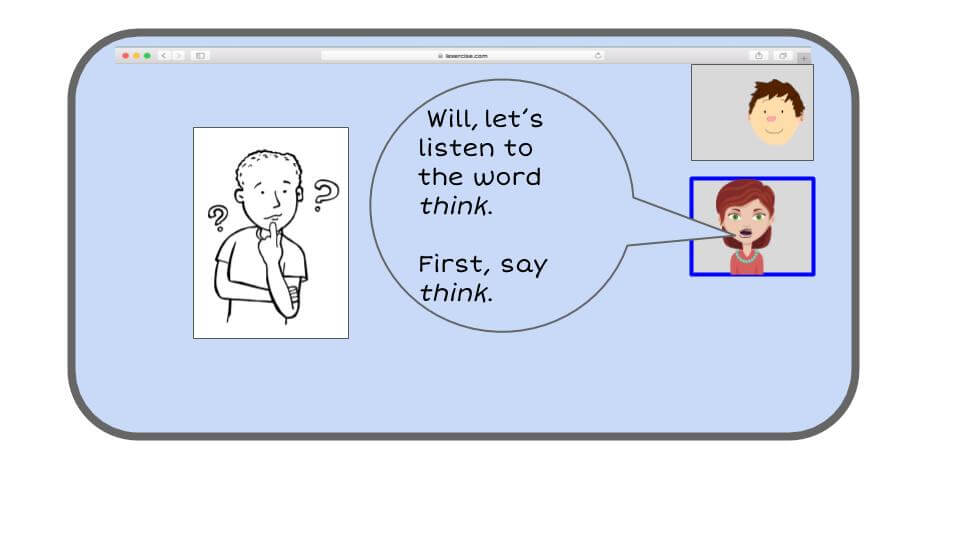
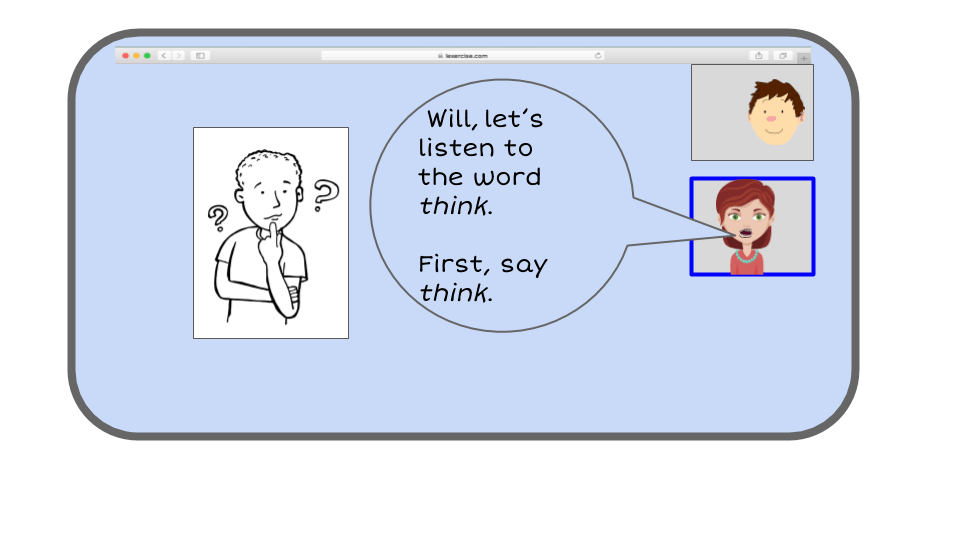
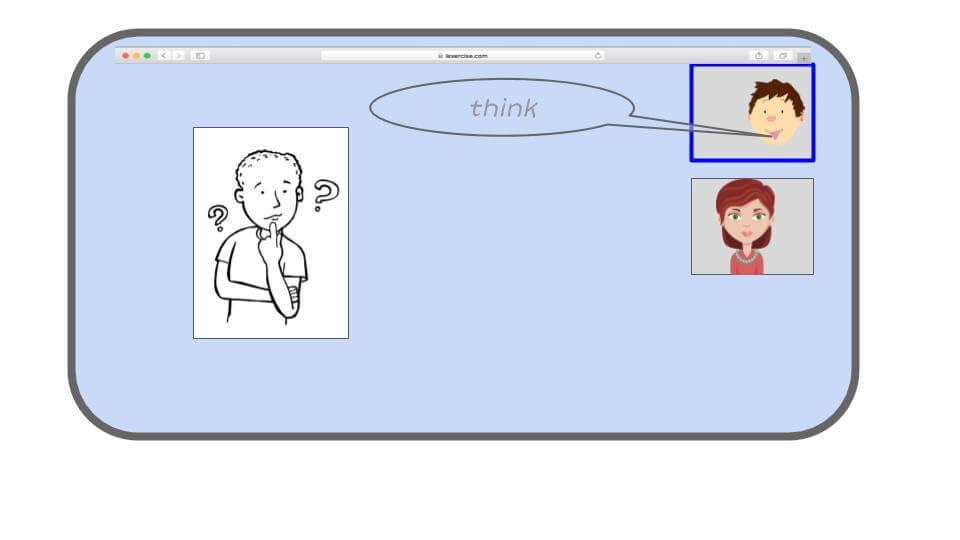
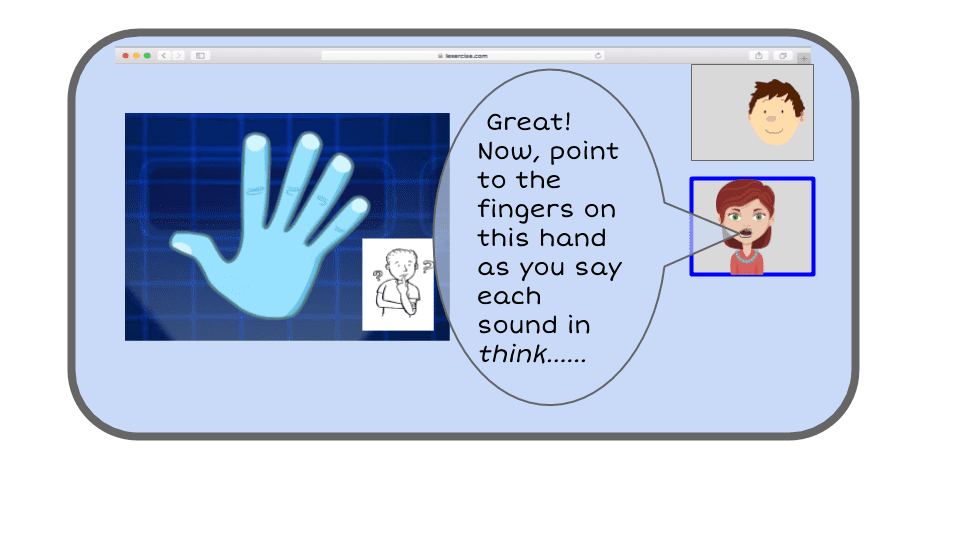
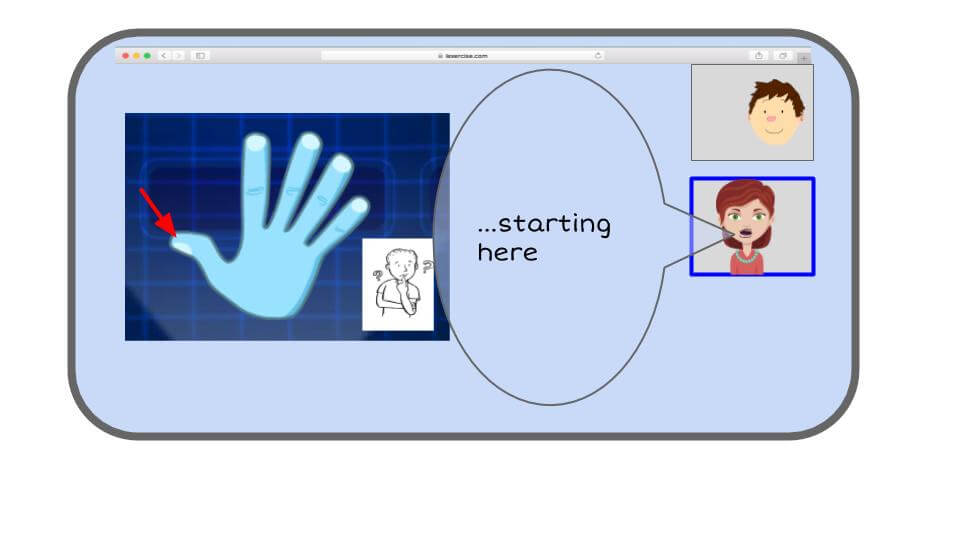
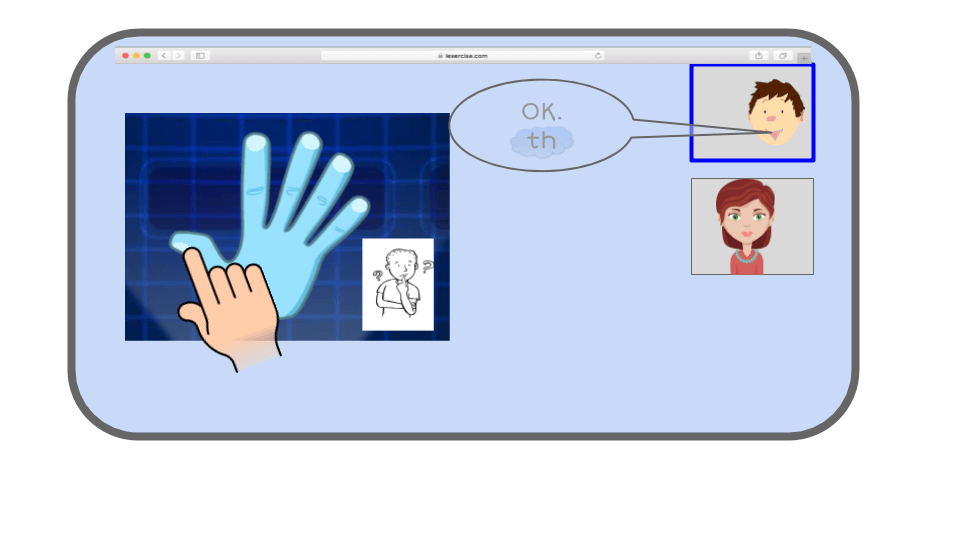
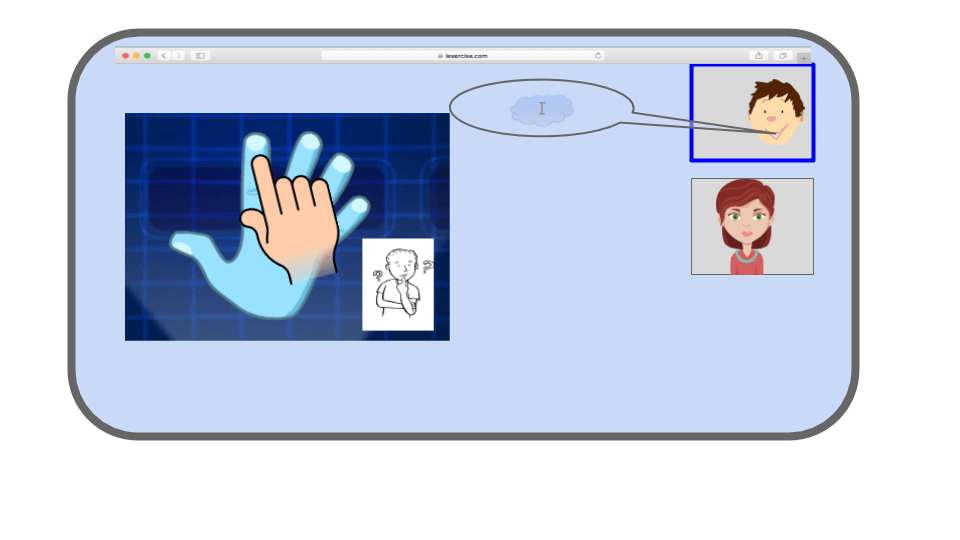
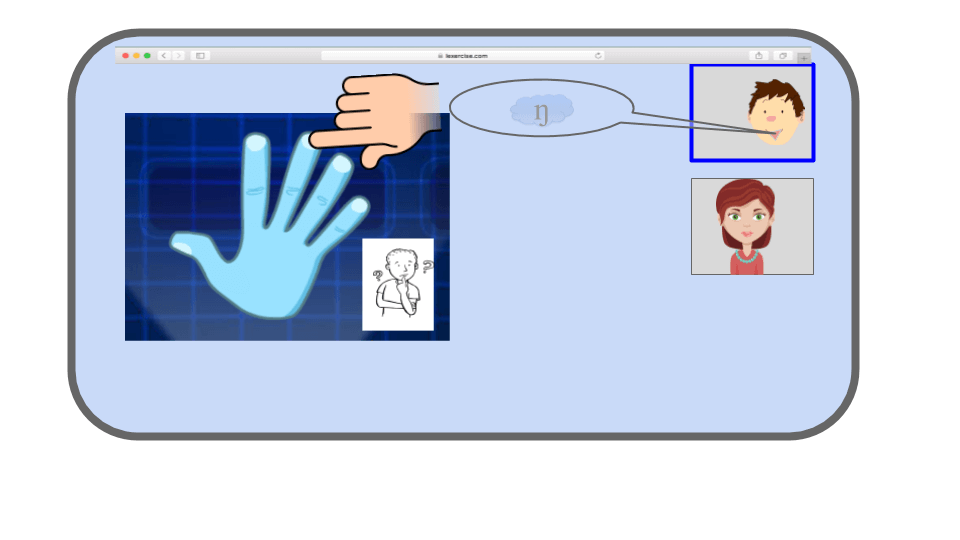
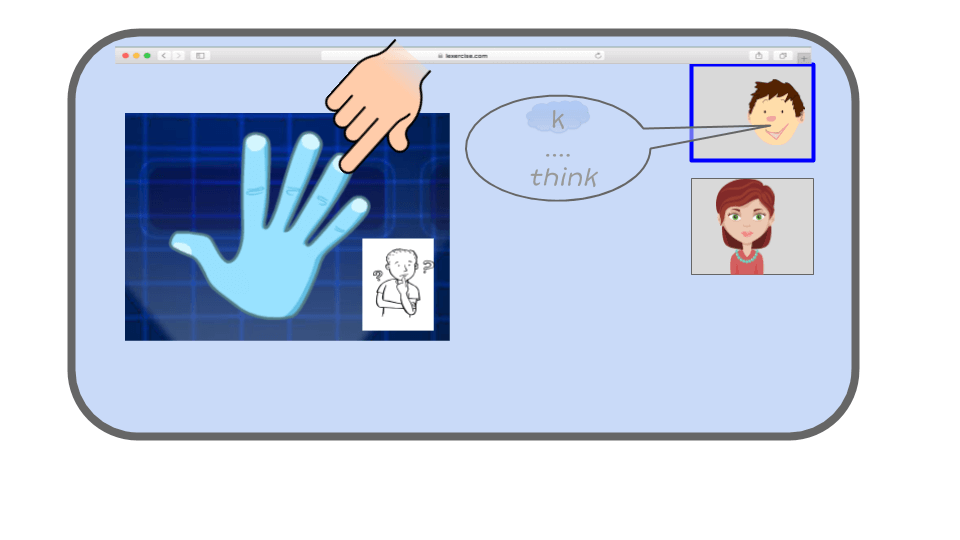
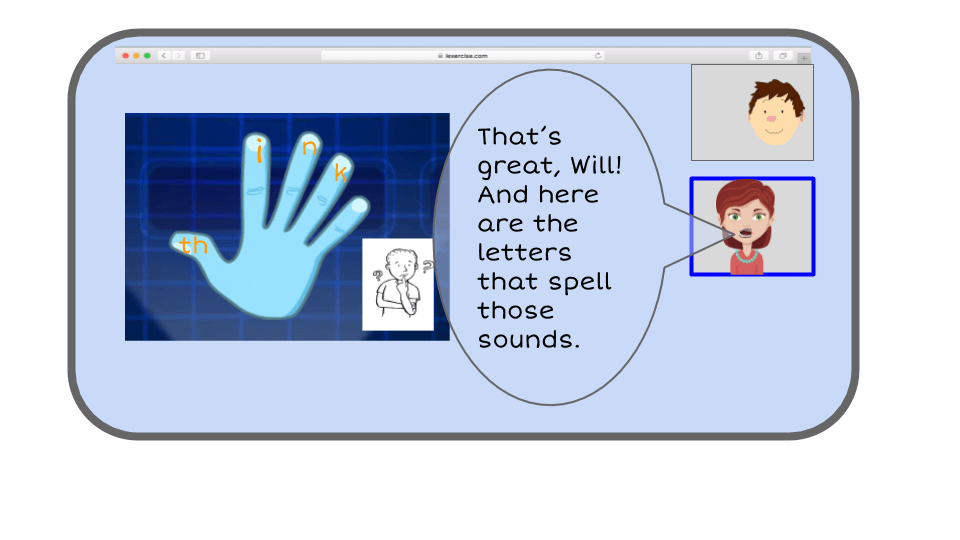
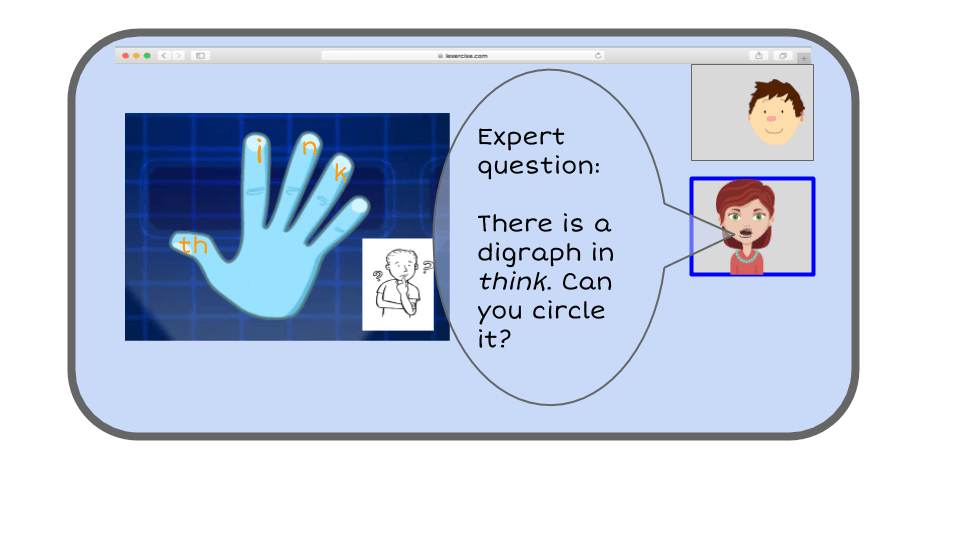
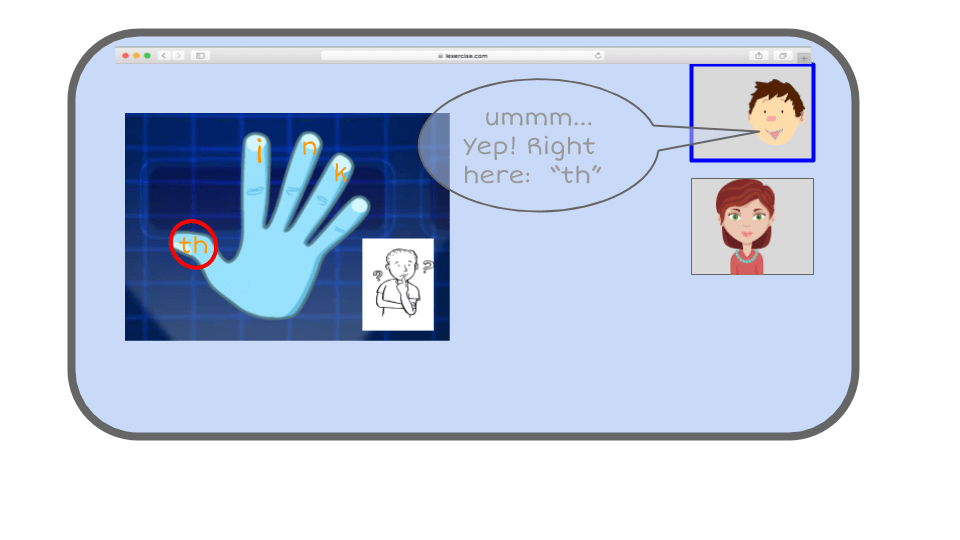

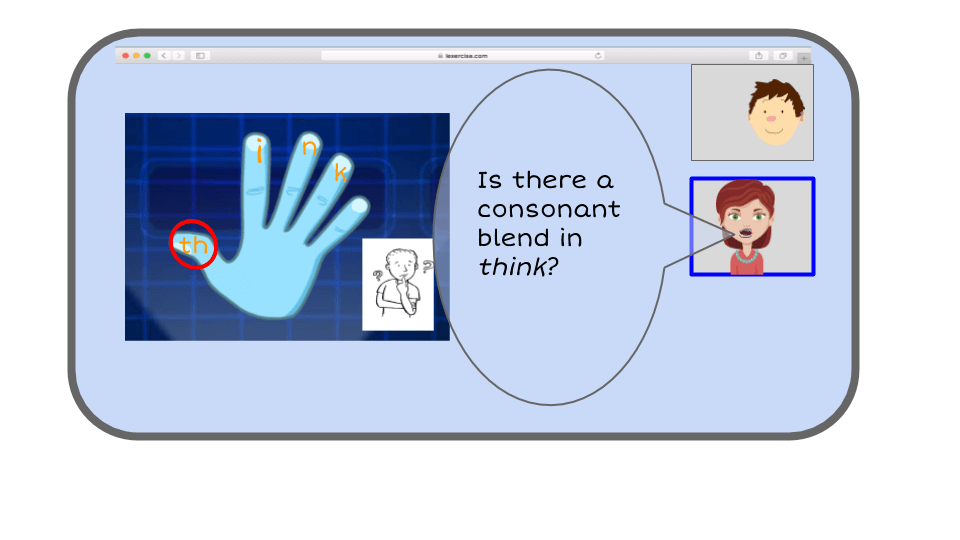
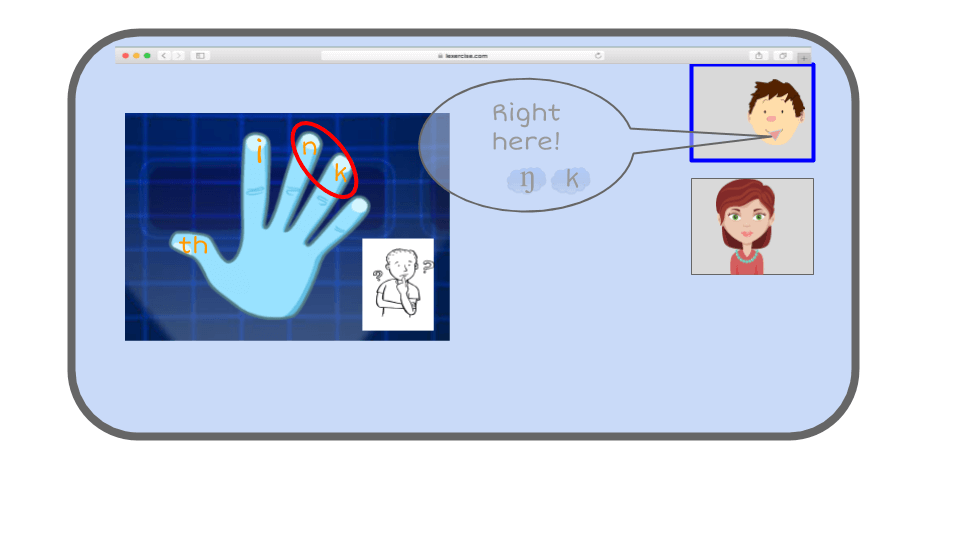
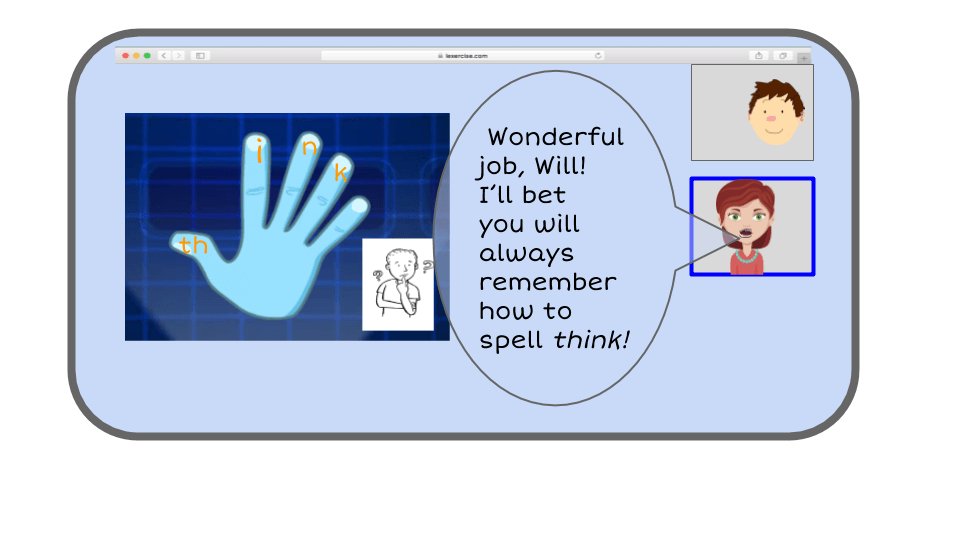
Using the Lexercise Isolator Procedure with the hand, students begin with what they already know (how to say the word) and then elaborate the word's letter-sound structure.
The base of the word elaborate is the Latin word for labor. This suggests that elaboration takes some work and, as you can see in the example above, that’s true! But with elaboration the student is likely to retain and retrieve spelling patterns, not just for the Friday spelling test, but permanently.
Improve Your Child’s Reading
Learn more about Lexercise today.
Schedule a FREE
15-minute consultation